The Safari Experience
Africa Unlocked, Intimately
A private safari means your own vehicle, your own guide and a camp inside a private conservancy, where the number of vehicles at a sighting is capped and night drives and walking are allowed. That is the only kind we plan. For a first safari from India we usually suggest seven to ten nights across two or three camps in Kenya and Tanzania, timed to where the Great Migration will be, with short light-aircraft hops between them.
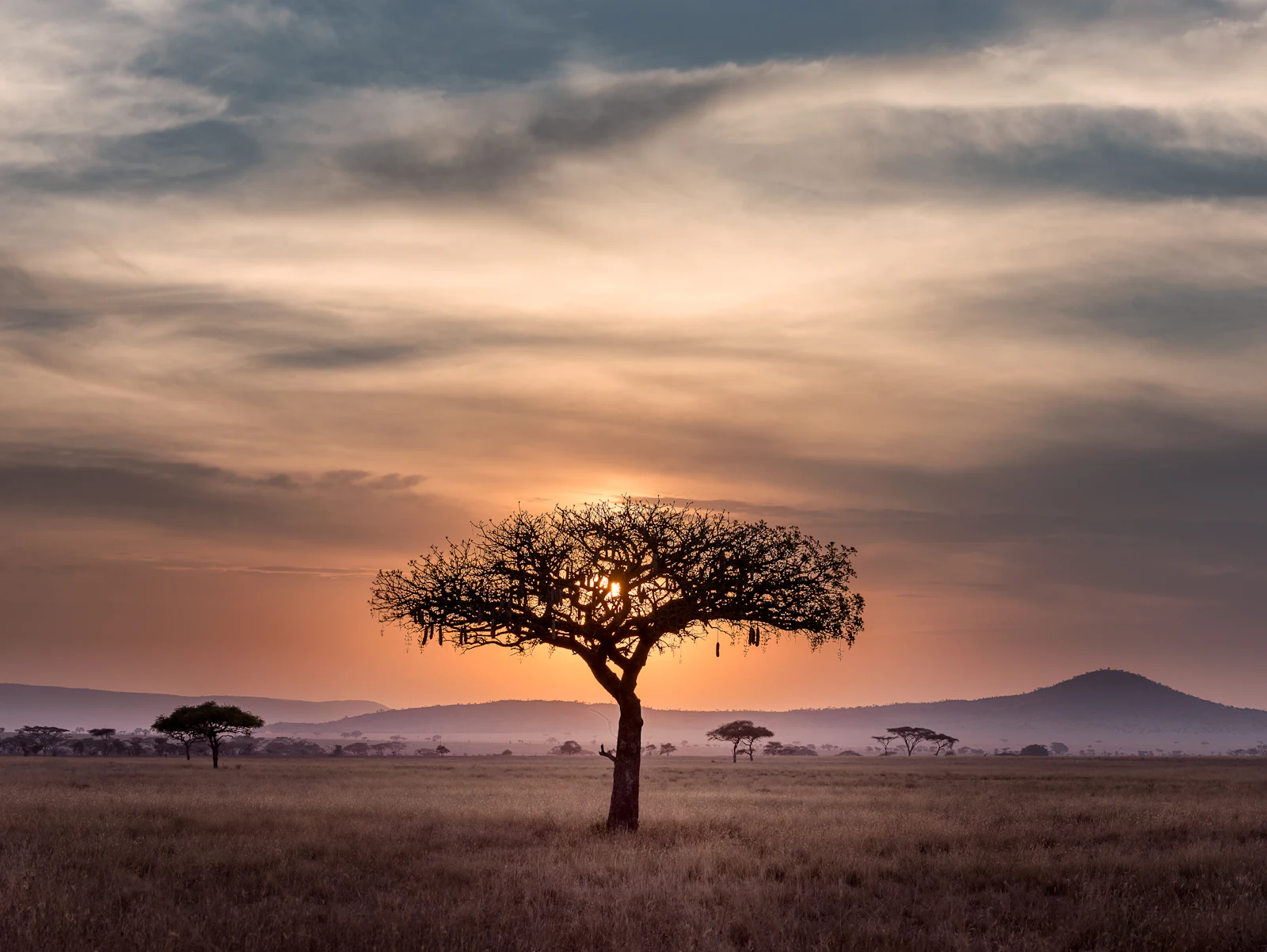
The difference shows on the first morning. In the Masai Mara National Reserve a big cat sighting can draw twenty vehicles. In the conservancies next to it, such as Mara North, Olare Motorogi and Naboisho, camps agree to a small cap per sighting and you can stay as long as the animals do. Across the border, the Serengeti and the Ngorongoro Crater give you scale; Botswana's Okavango Delta gives you water, mokoro canoes and very few people.
🌅
Dawn Game Drives
In open 4WDs with private naturalists, before any other vehicles are in the reserve.
🎈
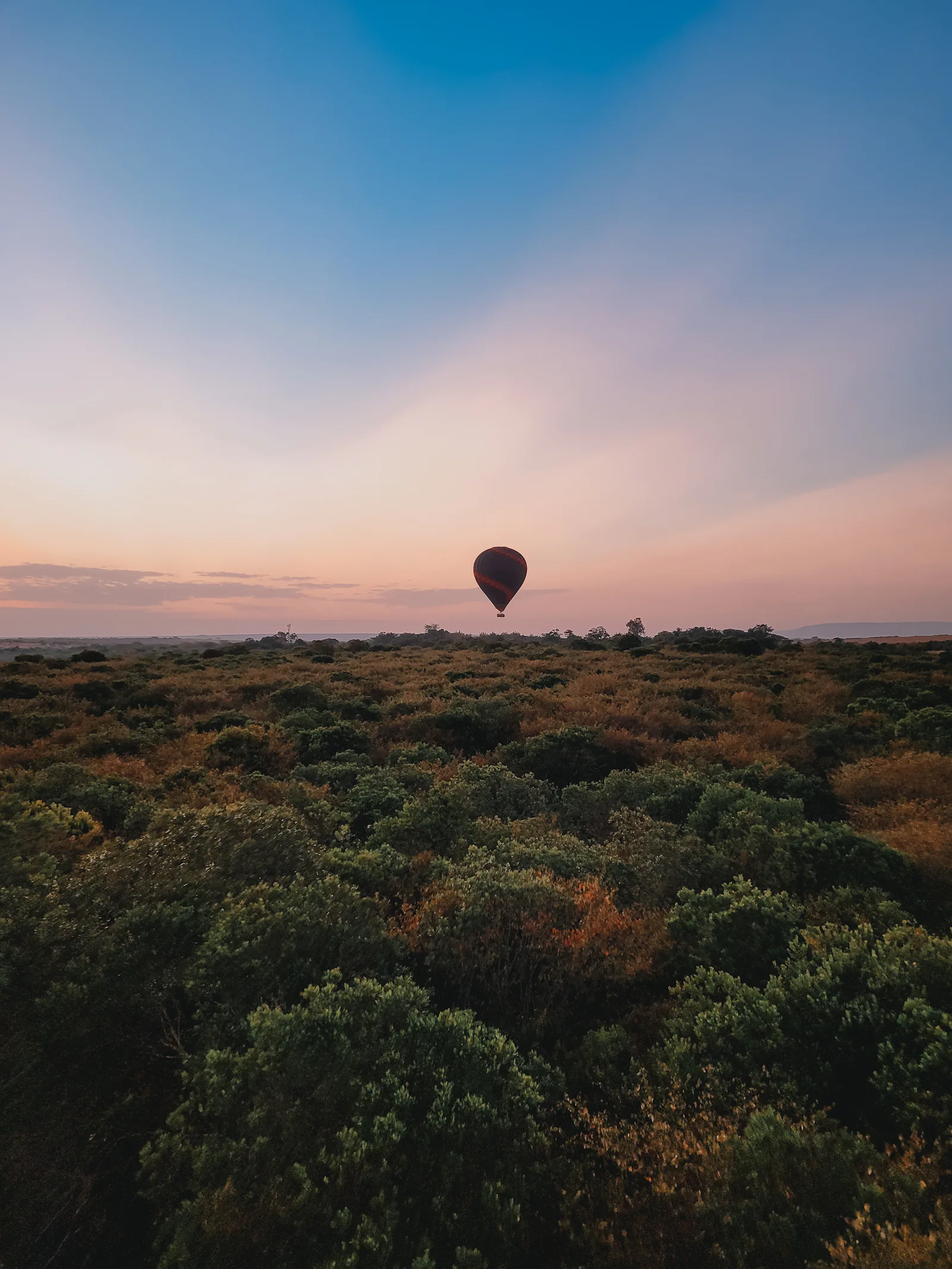
Balloon Safaris
Sunrise hot-air balloon flights over the migration plains, landing to a champagne breakfast in the bush.
🍷
Bush Dinners
Candlelit dinner tables set in a dry riverbed or a private kopje — just you and the sounds of the night.
🔭
Stargazing Astronomy
Southern hemisphere night skies with a private astronomer and high-powered telescope in camp.
🚶
Walking Safaris
On foot with an armed ranger and naturalist — the most intimate way to read the bush.
🐆
Big 5 Encounters
Lion, leopard, elephant, rhino and buffalo on every well-planned circuit.
Choosing an operator
Six Questions to Ask Any Safari Operator
Most safari websites look alike, and the word “private” is used loosely. These are the questions that separate a private safari from a shared one with a good brochure. We ask them on your behalf, and they are why we only book camps we have vetted.
1. Is the vehicle truly private?
Ask whether your own vehicle and guide are included at every camp, or offered as a supplement at some. On many itineraries they are not included.
2. Which conservancy, by name?
“Masai Mara” can mean the busy national reserve. Ask for the conservancy or concession by name, and whether it caps vehicles and allows night drives.
3. Who is the guide?
In Kenya, ask for the guide’s KPSGA level; silver and gold guides are the ones we request. A great guide matters more than a great tent.
4. Do the dates fit the animals?
River crossings in the Mara and northern Serengeti run roughly July to October; the calving season in the southern Serengeti is January to March. An operator should plan the route around this.
5. How do you move between camps?
Light aircraft turn a six-hour road transfer into a forty-minute flight. Expect a soft-bag limit of about 15 kg on bush flights, and plan your packing for it.
6. Can the camp cook for you?
Good camps cook properly vegetarian and Jain food when told in advance. We brief every chef before you arrive, so you are not explaining it at each meal.
For Indian travellers
Planning a Safari from India
- Flights. Kenya Airways and IndiGo fly nonstop from Mumbai to Nairobi in about six and a half hours. From Delhi or Bengaluru it is usually one stop. Tanzania’s northern parks connect through Nairobi or Kilimanjaro.
- Visas. Kenya needs an online travel authorisation (eTA) before you fly; ordinary Indian passports are not exempt. Tanzania issues e-visas. We handle both.
- Health. Kenya counts as a yellow fever country for India’s return rules, so carry your vaccination certificate home. Take the vaccine at least ten days before you fly, and ask your doctor about malaria tablets.
- When to go around Indian holidays. Summer holidays from late June meet the start of the river-crossing season in the Mara. Diwali usually falls near its end. Christmas and February suit the calving season in the southern Serengeti.
- Cost. It depends on the camps, the season and how many flights you take. We break it down honestly in what a luxury African safari really costs, and show a full week in a week on safari, day by day.
A Sample Journey
10-Night East Africa Circuit
A starting point, not a package — every day is shaped around you.
01–02
Nairobi & Laikipia
Private charter to a conservancy on the Laikipia Plateau. Camel trek, night game drive and stargazing from a private kopje.
03–05
Maasai Mara
Three days in a private concession bordering the Mara, dawn drives for big cat encounters and a balloon flight over the migration at sunrise.
06–07
Ngorongoro Crater
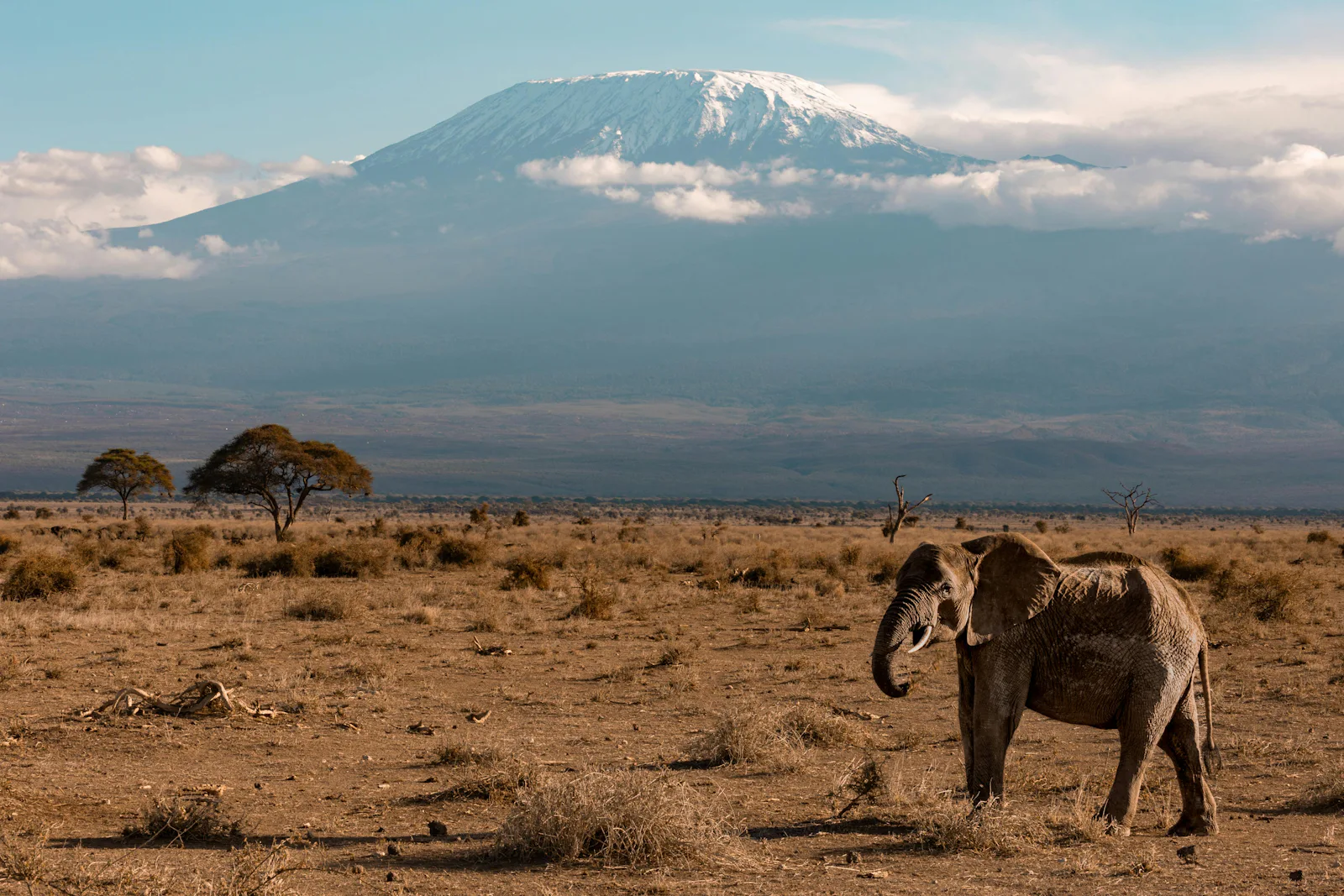
Exclusive dawn descent into the world's largest intact volcanic caldera. Rhinos, black-maned lions and flamingo pools.
08–10
Serengeti Migration Camps
Follow the Great Migration through the northern Serengeti. River crossings, predator encounters and a private bush dinner under the Milky Way.