World-Class Wine
Tuscany is home to Chianti Classico, Brunello di Montalcino, and Vino Nobile di Montepulciano — three of Italy's most celebrated DOCG wines.
Leave your details and a travel designer will call within 24 hours. We do the research, you choose — no packages, no long forms.
Tuscany is a sensory masterpiece — a landscape where medieval hill towns rise above a patchwork of vineyards and olive groves, where world-class Renaissance art adorns every church and gallery, and where the food and wine are amongst the finest on earth.
The Luxe Trails curates private Tuscan journeys that go far beyond the ordinary — from intimate winery dinners with the winemaker, to after-hours access to Florence's greatest museums, to private truffle hunting in ancient oak forests.
Whether you seek the grandeur of Florence's Renaissance palazzi, the serene beauty of the Val d'Orcia, or the authentic pleasures of a Chianti wine estate, our Tuscany experiences reveal the region's most extraordinary layers.
Tuscany is home to Chianti Classico, Brunello di Montalcino, and Vino Nobile di Montepulciano — three of Italy's most celebrated DOCG wines.
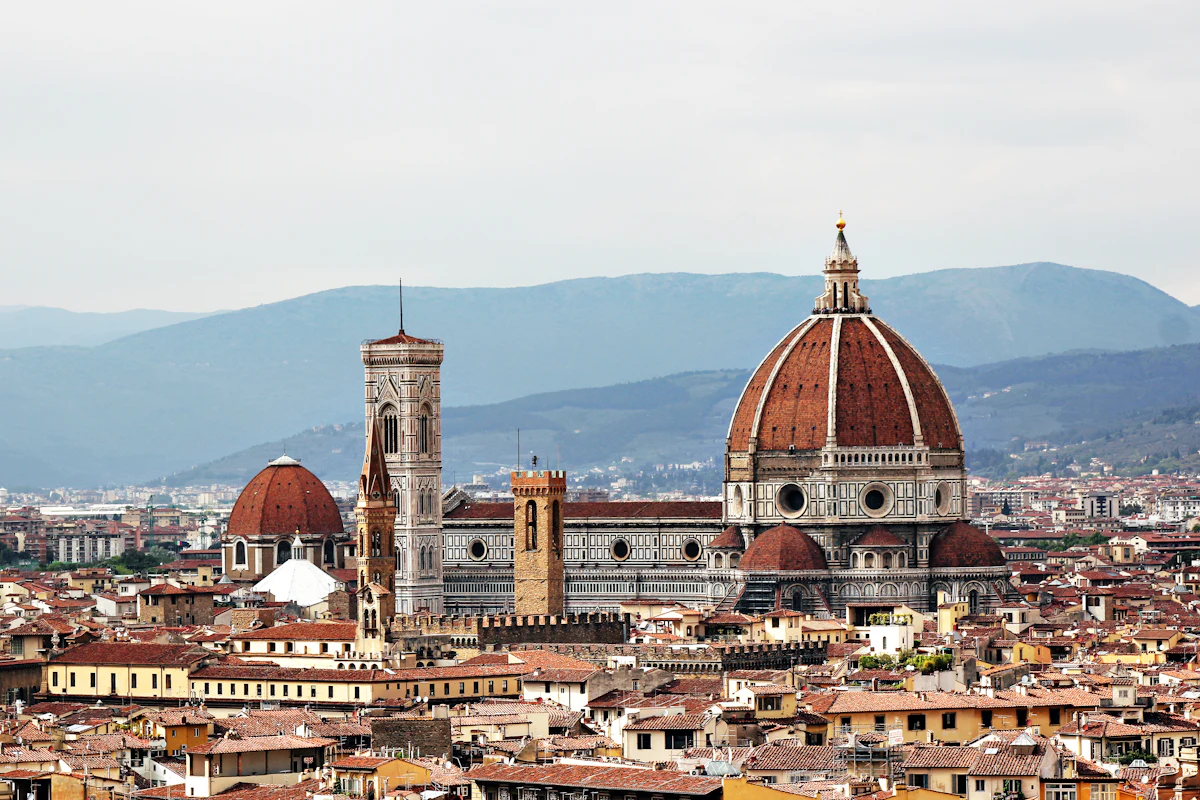
Florence's Uffizi Gallery houses the world's greatest Renaissance art collection, including Botticelli's Birth of Venus and works by Michelangelo and Leonardo da Vinci.
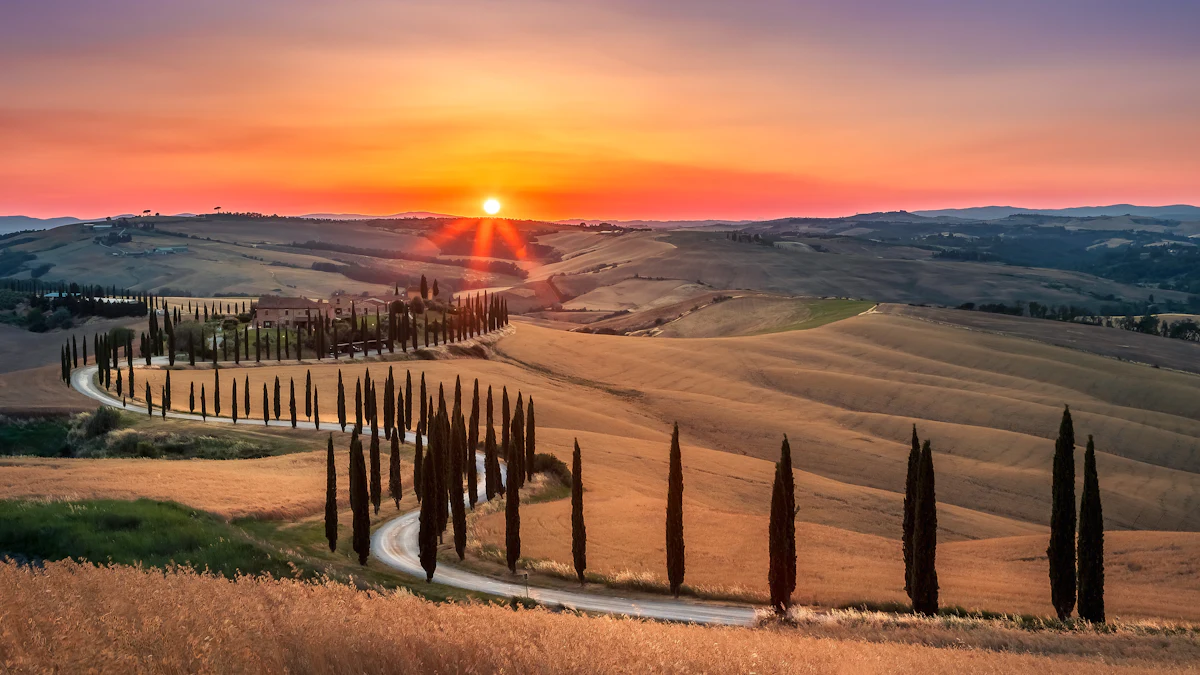
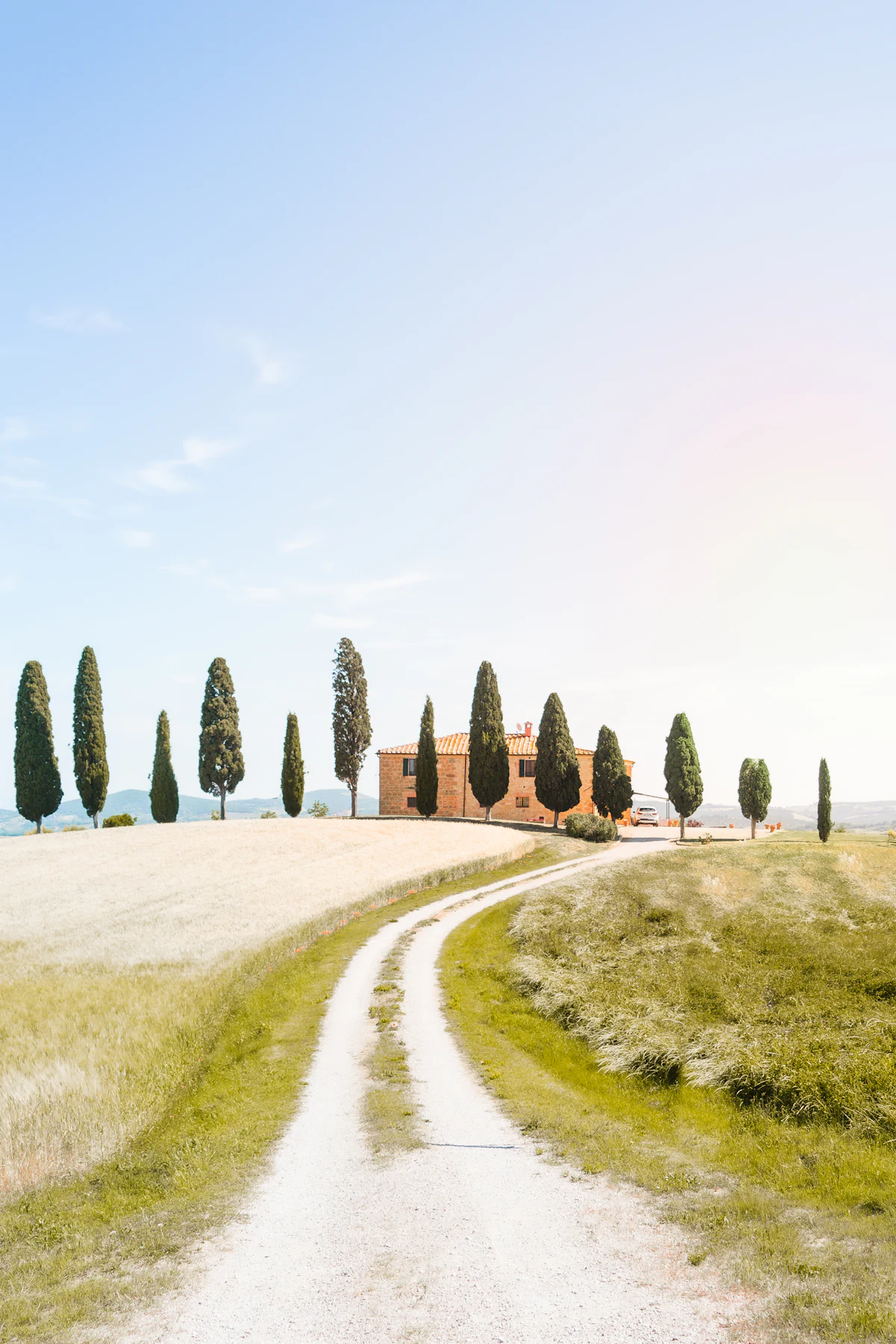
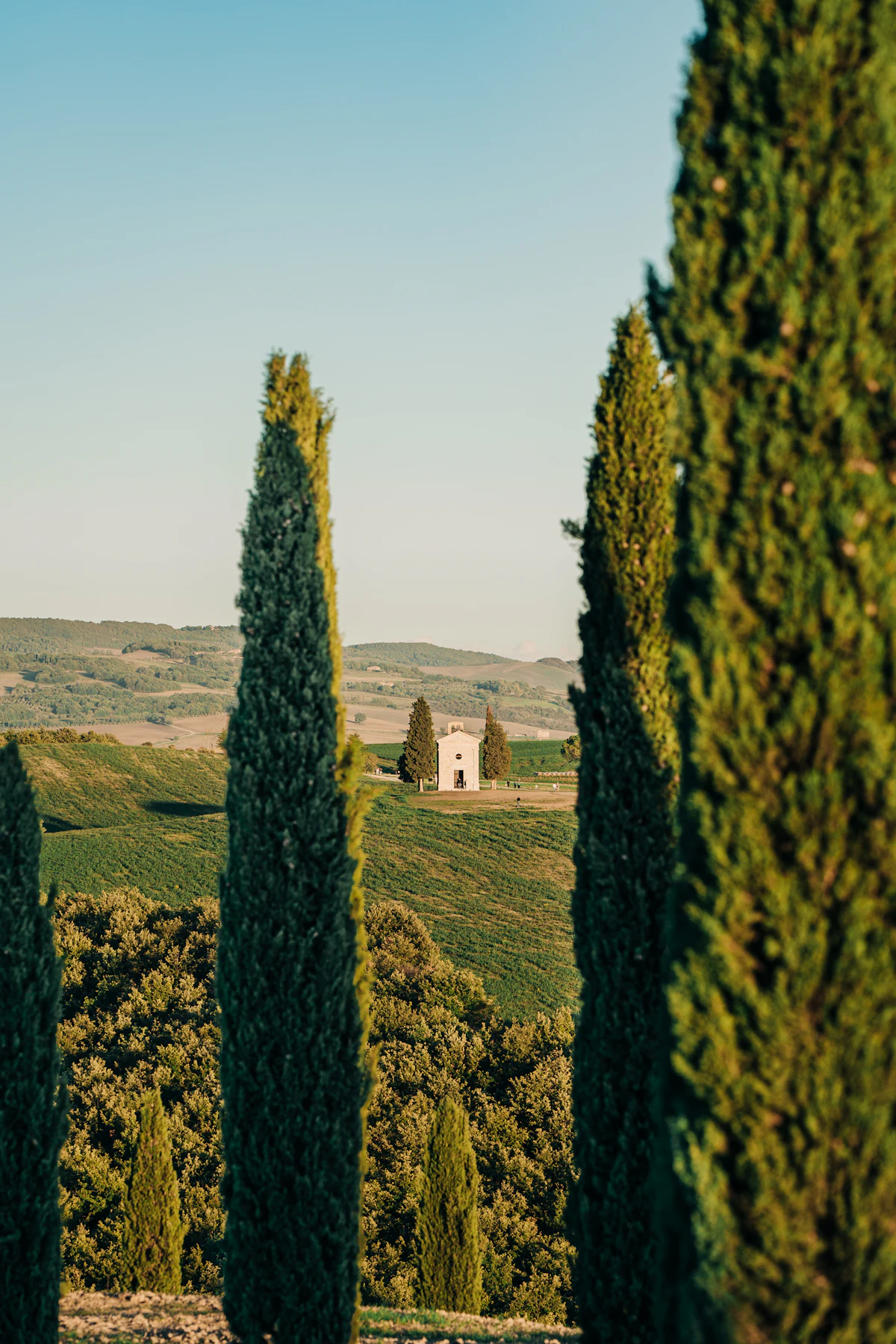
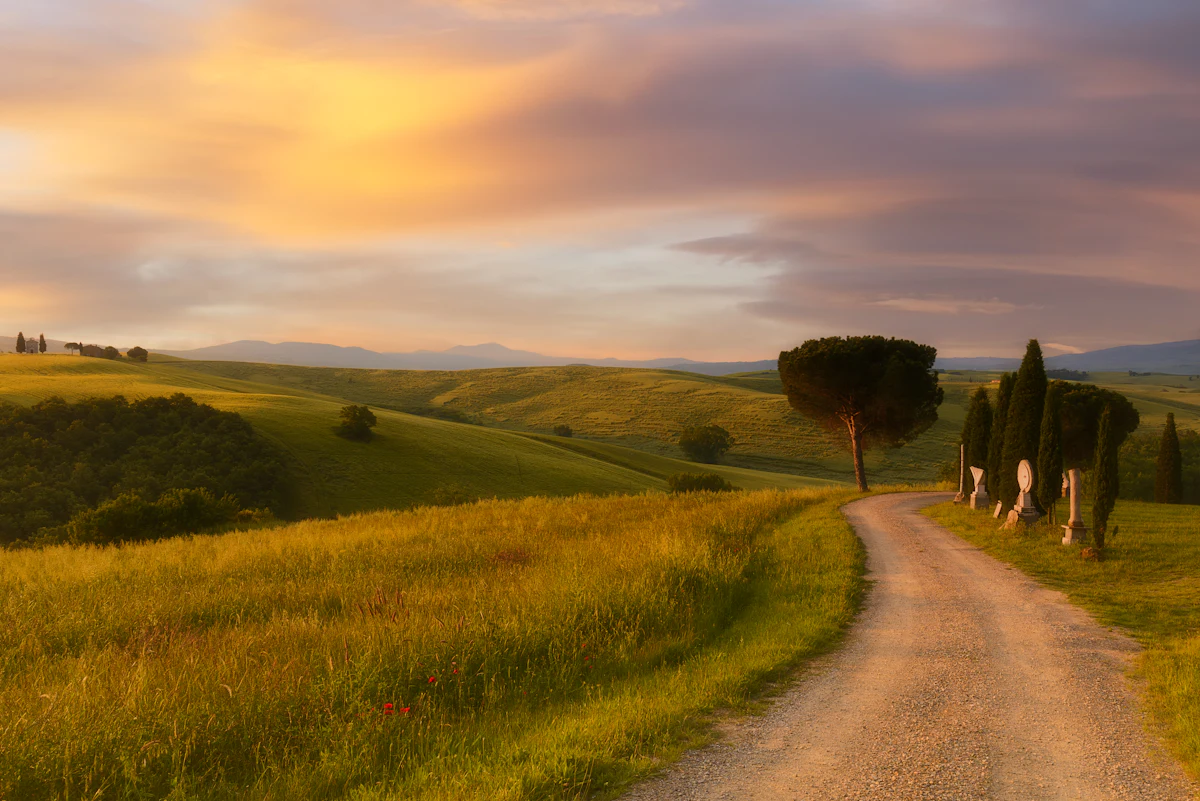
The Val d'Orcia, a UNESCO World Heritage landscape, offers iconic cypress-lined roads, medieval hilltop towns, and thermal springs unchanged since the Renaissance.
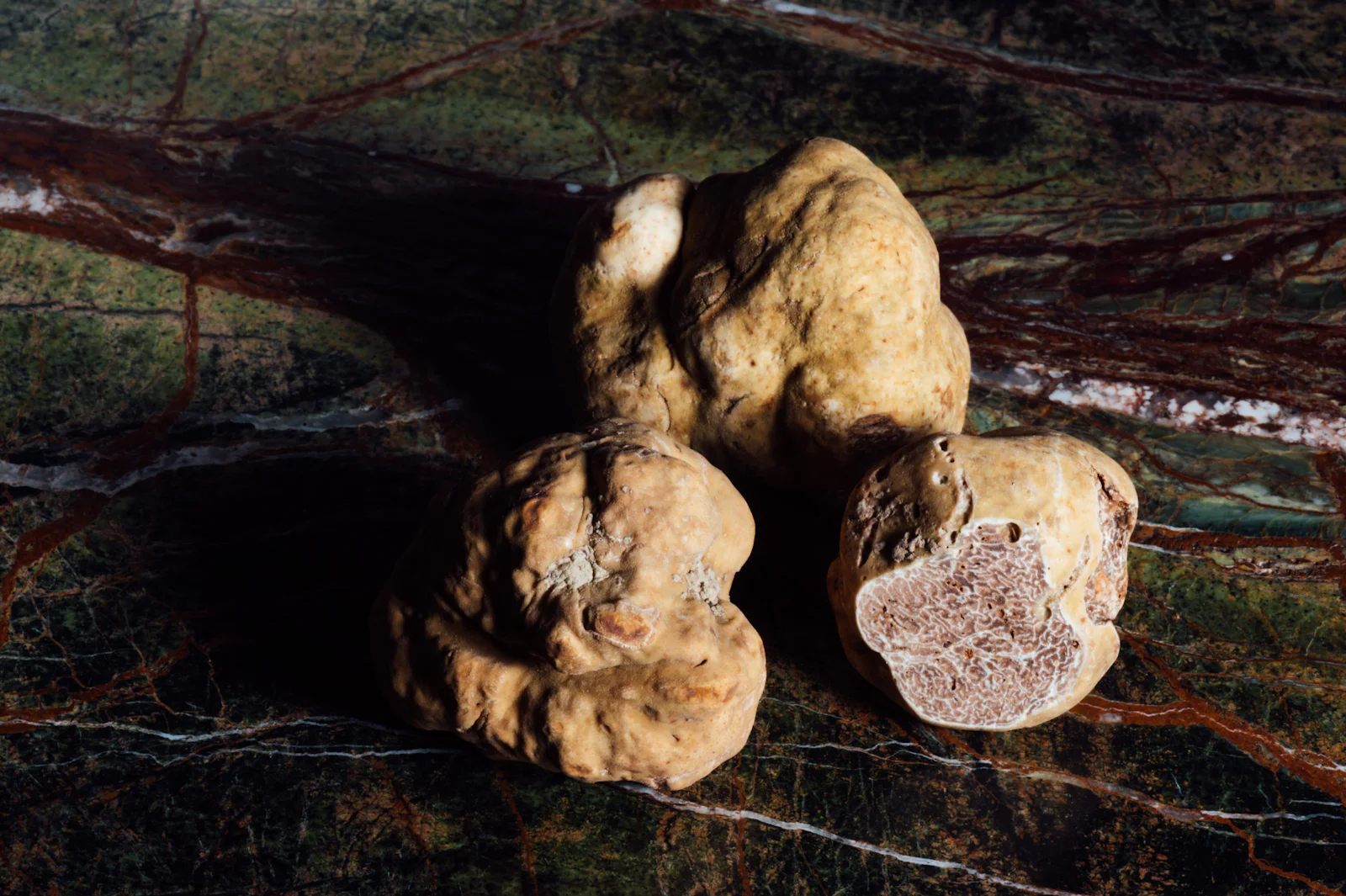
From bistecca alla Fiorentina to handmade pici pasta and white truffles from San Miniato, Tuscany sets the global standard for Italian culinary excellence.
A starting point, not a template — every day is shaped around you.
A private, fully bespoke 5-day itinerary through Tuscany's most iconic and hidden treasures — designed exclusively for The Luxe Trails clients.
Arrive in Florence and check into your historic palazzo hotel steps from the Duomo. Private after-hours tour of the Uffizi Gallery with a resident art historian. Welcome dinner at a secret wine cellar beneath the city streets.
Journey into the Chianti Classico wine region for an exclusive harvest experience. Private tasting with the estate's winemaker. Truffle hunting excursion with local experts followed by a farm-to-table lunch.
Explore Siena's medieval centro storico and the UNESCO-listed Val d'Orcia landscape. Private access to the Palazzo Pubblico frescoes. Sunset aperitivo in a restored hilltop fortress overlooking rolling Tuscan hills.
Discover Pienza, the ideal Renaissance city commissioned by Pope Pius II. Private audience with a local artisan cheese-maker famed for Pecorino di Pienza. Afternoon in Bagno Vignoni, the village built around a Renaissance thermal pool, with a soak at a nearby spa's own hot springs.
Morning workshop with a master leather craftsman in the Oltrarno district. Private studio visit to a Florentine goldsmith. Farewell dinner at a Michelin-starred restaurant with curated Tuscan wine pairing.
Each property is personally vetted by our Tuscany specialists for exceptional service, authentic character, and extraordinary location.
Speak with our Tuscany specialists to design your perfect private itinerary.
Enquire NowTuscany is two trips in one region, and most itineraries get the balance wrong. Florence is a city of museums, churches and workshops, best in two or three focused days with a superb guide. The countryside is the part people remember: an estate lunch that runs to four o'clock, a drive through cypress roads at evening, a farmhouse with no one else in it. We give Florence two nights and the hills at least three.
The classic mistake is the day-trip circuit: Pisa, San Gimignano, Siena and a Chianti tasting, all from a Florence hotel, all by coach. It is the worst version of Tuscany. We skip Pisa entirely and base you in the countryside instead, in the Val d'Orcia south of Siena or in Chianti, with a private driver and one estate done properly each day rather than four done badly.
It suits couples, food and wine lovers, and families travelling across three generations, because a villa with a cook keeps everyone together without a timetable. It suits beach-first travellers less, so we pair it with the Amalfi Coast or Lake Como. September and October are our favourite months: the harvest in Montalcino, and white truffles near San Miniato from late October into November.
Florence (2) → Val d'Orcia (3) → Positano (4)
Our most requested Italy honeymoon after Como. Art and dinners in Florence, cypress hills and Brunello estates, then the fast train south from Florence to Naples and four nights by the sea.
Florence (2) → private villa in Chianti (6)
For families with children and grandparents. A storytelling guide in Florence, then a villa with a pool and a cook, pasta-making for the children, and day trips to Siena and the hill towns.
Chianti (3) → Montalcino (4)
For travellers on a second Italy trip who care about wine. Owner-hosted tastings in Chianti Classico, then Brunello cellars and the thermal villages of the Val d'Orcia. In through Florence, home from Rome.
A Renaissance palazzo and a villa set in the Giardino della Gherardesca, about 11 acres and the largest private garden in Florence, open only to guests. Frescoed ceilings, a pool under old trees and the Duomo a short walk away. It is the calmest city base we know in Italy, and good with children.
A restored 13th-century estate south-west of Siena with around 20 rooms and suites, its own farm and gardens, and Meo Modo, a Michelin-starred restaurant cooking largely from what grows a few hundred metres away. It feels close to private. Open roughly late March to October.
A 12th-century castle on a 740-acre estate between Florence and Siena, with Renaissance frescoes, interiors by Paola Navone and 50 rooms and suites. The COMO Shambhala spa is one of the best in Tuscany. Central for Chianti estates and under an hour from Florence.
A medieval hamlet restored by the Ferragamo family, who bought the estate in 1993, with suites in the old village houses, villas, a winery and an organic farm. Flat, spacious and self-contained, with room for children to roam and the estate's own wines at dinner. One of our family choices in Tuscany.
Air India flies nonstop from Delhi to Rome and from Delhi to Milan, in about eight and a half to nine hours. From Mumbai, Bengaluru and Hyderabad we route one stop through Dubai, Doha or Abu Dhabi, eleven to thirteen hours in all. Florence's own airport is small, so we usually fly you into Rome or Milan and take the fast train.
The fast train reaches Florence from Rome in about an hour and a half and from Milan in about two. From Florence, a private car takes about an hour to Chianti and about an hour and three quarters to the Val d'Orcia. In the countryside we always use a private driver: distances are short, roads are narrow, and historic centres have camera-enforced traffic zones that fine hire cars.
May, June, September and October. Spring brings wildflowers and green hills; autumn brings the harvest, porcini and the white truffle season around San Miniato. Avoid August, when Florence is hot and many family-run restaurants close for Ferragosto. Winter suits Florence for art lovers, but many countryside hotels close from November to March.
Tuscany is easy for vegetarians once you know where meat hides. Ribollita, pici with tomato, pecorino, truffle pasta and grilled vegetables are on every menu, but soups and sauces often start with meat stock or pancetta, so we brief restaurants in writing. Jain meals are harder, because onion and garlic are the base of the classic soffritto. For strict Jain families we choose villas with private cooks and agree menus before you travel.
Tuscany is one of the best regions in Europe for three generations. A private villa with a pool and a cook keeps everyone together; flat estates such as Il Borro suit grandparents. Hill towns like Montepulciano and Cortona are steep, so we drop you at the top and collect you at the bottom. Children love pasta classes, farm animals and Siena's Piazza del Campo.
Lake Como, Venice and Florence, then the Tuscan hills and Positano.
The best time to visit Tuscany is April to June and September to October. Spring offers wildflowers and mild temperatures ideal for exploring hilltop towns, while autumn brings the grape harvest and truffle season. July and August have higher temperatures and crowds.
Tuscany is celebrated for Renaissance art in Florence and Siena, converted villas and medieval castles, Michelin-starred dining, and world-class wine regions such as Chianti, Montalcino and Bolgheri.
The Luxe Trails curates fully bespoke private Tuscany itineraries — villa stays, private wine tastings, art access and expert-led tours. Speak with our travel specialists to design your journey.
Both, in that order. Two nights in Florence for the Uffizi, the Duomo and the artisans of the Oltrarno, then three or four in the countryside. Staying only in Florence and doing day trips means hours in a car each day. Staying only in the countryside means missing the art.
Chianti is closer to Florence and Siena, greener and wooded, and best for wine estates. The Val d'Orcia is further south, more open and more cinematic, with Pienza, Montalcino and the cypress roads you have seen in photographs. For a first trip we prefer the Val d'Orcia; for wine lovers short on time, Chianti.
Yes, especially paired with the Amalfi Coast or Lake Como. Tuscany gives the slow, romantic part of the trip: a farmhouse suite, a cellar dinner, a balloon flight at dawn. September and October add the harvest. For couples who want the sea too, we put Tuscany first and the coast last.
Fly nonstop from Delhi to Rome or Milan with Air India, or one stop through the Gulf from other cities, then take the fast train to Florence: about an hour and a half from Rome, two hours from Milan. A private driver meets you at the station for the countryside.