Through the Raggaschlucht on Wooden Walkways
A gorge walked on timber ledges
Want this in your trip?
Leave your details and a travel designer will call within 24 hours to fit this into a journey around your dates.
The Raggaschlucht is a narrow gorge near Flattach in Carinthia's Mölltal, walked on wooden walkways, steps and bridges fixed to the rock above the Ragga stream. The loop takes about an hour and a half.
The Raggaschlucht is 800 metres long and up to 200 metres deep, and for most of it the rock walls are close enough to touch from either side. The way through is a line of wooden walkways, ladders and small bridges bolted to the cliff, climbing more than 200 metres as the Ragga stream crashes below. Waterfalls drop in from the side, the light comes down in strips, and the roar fills the gorge. At the top a forest path loops you back down, about three kilometres in all and an hour and a half at a steady pace. We plan it as a morning stop on the way to the Grossglockner. Your driver collects you early, you walk the gorge when it opens and before the day walkers, and by lunch you are heading up the Mölltal to Heiligenblut, about 50 kilometres away, for the Grossglockner High Alpine Road and the view of Austria's highest mountain. It works best inside a Carinthia stay, with nights at Das Ronacher in Bad Kleinkirchheim or on the Wörthersee.
Walkways on the rock
Timber ledges, steps and bridges carry you up the gorge, with the stream running loud beneath your feet.
Waterfalls inside the walls
Side streams fall into the gorge as you climb, so the walk feels cool and wet even in August.
On to the Grossglockner
Heiligenblut is about 50 kilometres up the Mölltal, so the gorge and the high road fit one day.
Best time to goJune to September, when the gorge is fully open and the Grossglockner road is clear; avoid days after heavy rain, when the gorge closes for safety, and the winter months, when it does not open.
Through the Raggaschlucht on Wooden Walkways, planned from India
Do the gorge first thing and the Grossglockner after lunch; the high road clouds over less often in the afternoon than the gorge fills up.
Getting there from India
There is no nonstop flight between India and Austria at the moment. We usually fly you into Munich, where Lufthansa flies nonstop from Delhi, Mumbai and Bengaluru, or into Salzburg through a European hub. Flattach is about two hours from Salzburg by private car through the Tauern tunnel, and around three hours from Munich airport.
Where we'd stay
Das Ronacher in Bad Kleinkirchheim, a family-run thermal spa hotel about 70 kilometres from the gorge. On the Wörthersee, Falkensteiner Schlosshotel Velden or Schloss Seefels, both lakeside five-star hotels, for a summer stay with Carinthia's warmer water.
Dressing for the gorge
Walking shoes with a good grip, never sandals: the timber is wet from spray even on dry days. Bring a light waterproof layer, because the gorge stays cool. Keep bags small, as some sections are narrow and steep.
Vegetarian & Jain food
Carinthia's kitchen is friendly to vegetarians, with Kasnudeln, the local cheese and potato dumplings, on most menus. Jain meals need more care, because onion and garlic sit in most sauces. We brief your hotel and the lunch stop in writing before you arrive.
Experiences you might also like
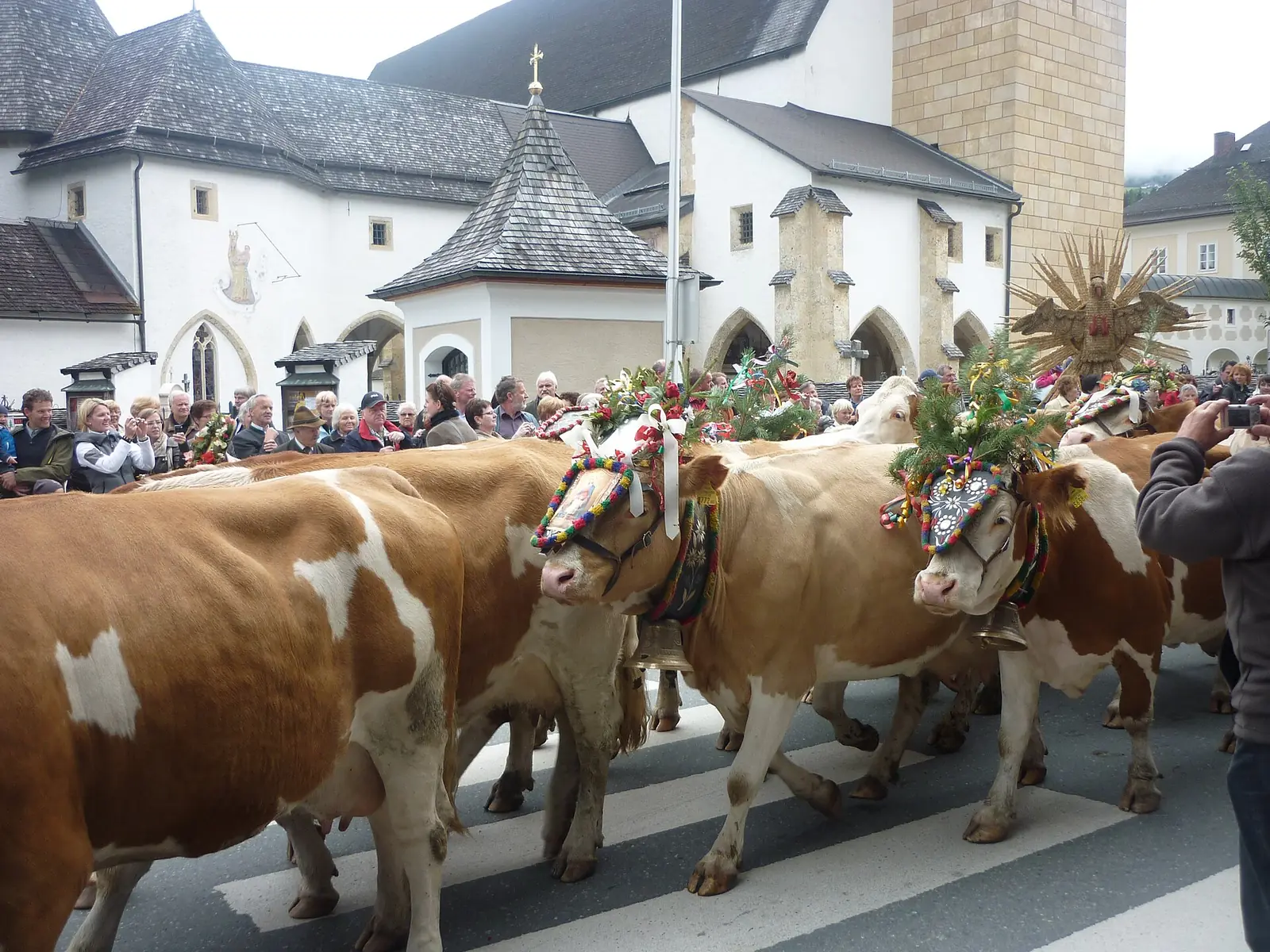
Almabtrieb: When the Cows Come Down
Flower crowns on the mountain road
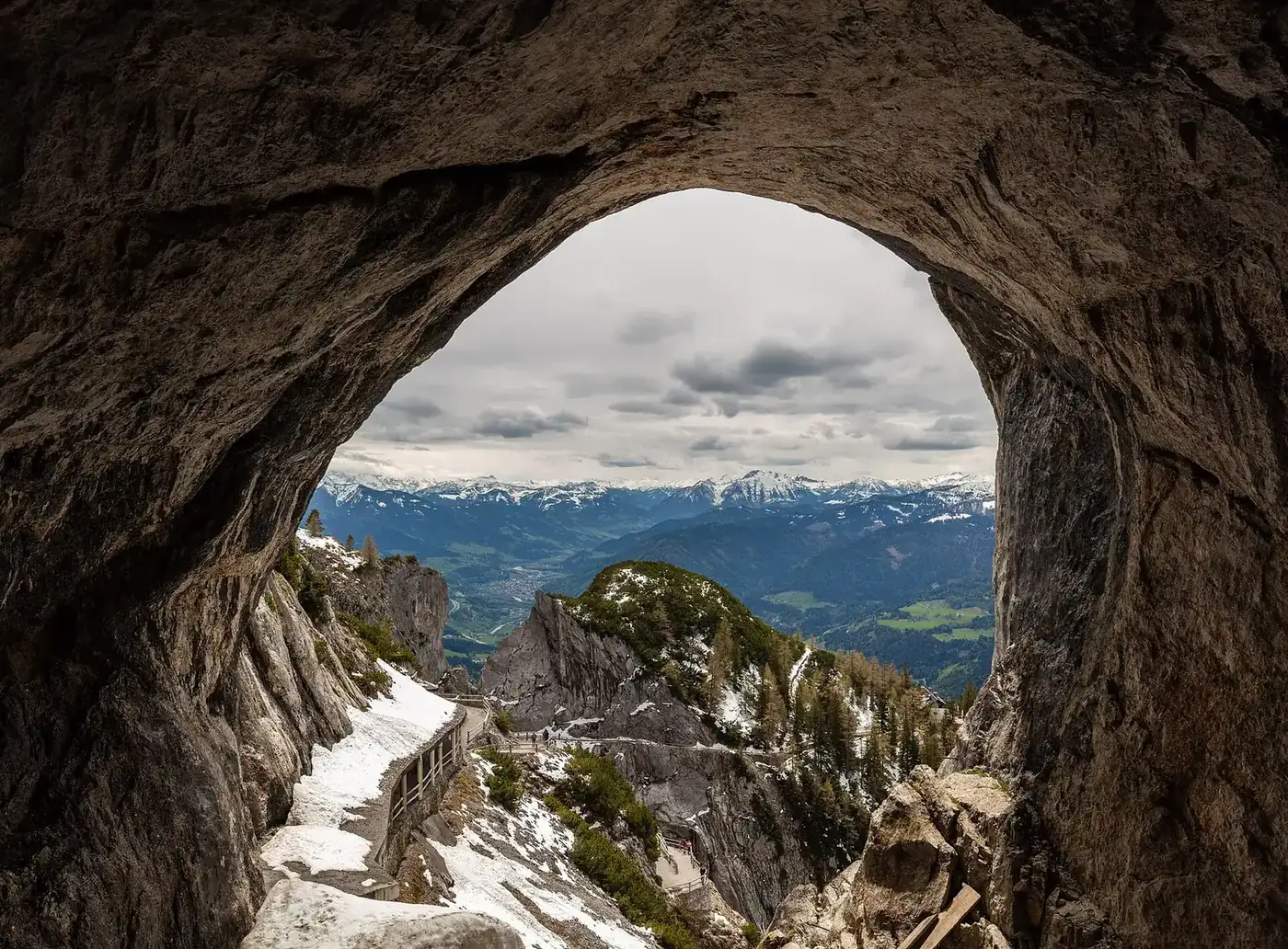
Eisriesenwelt, the World's Largest Ice Cave
A frozen cathedral by lamplight
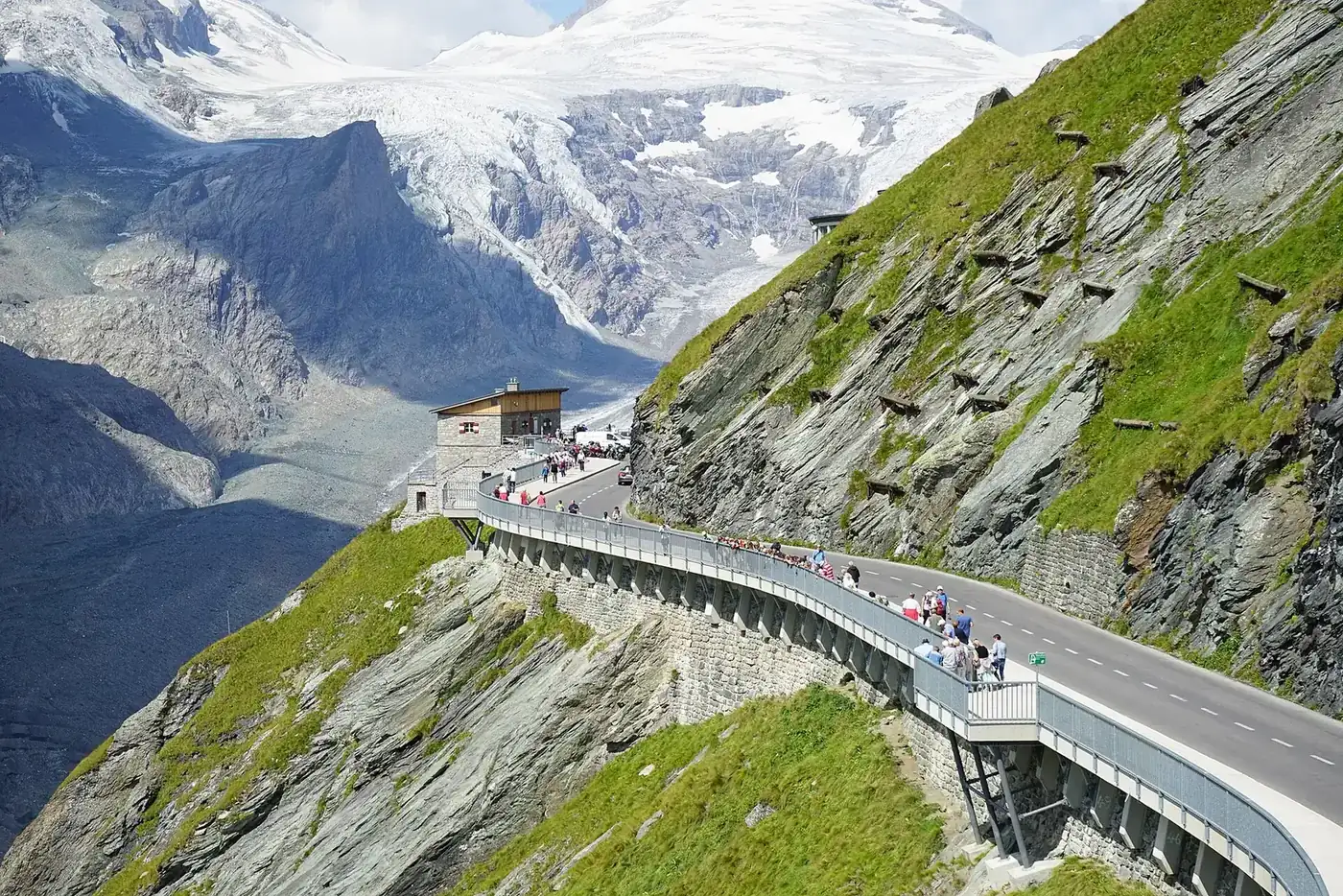
The Grossglockner High Alpine Road, Privately
Thirty-six bends to the glacier
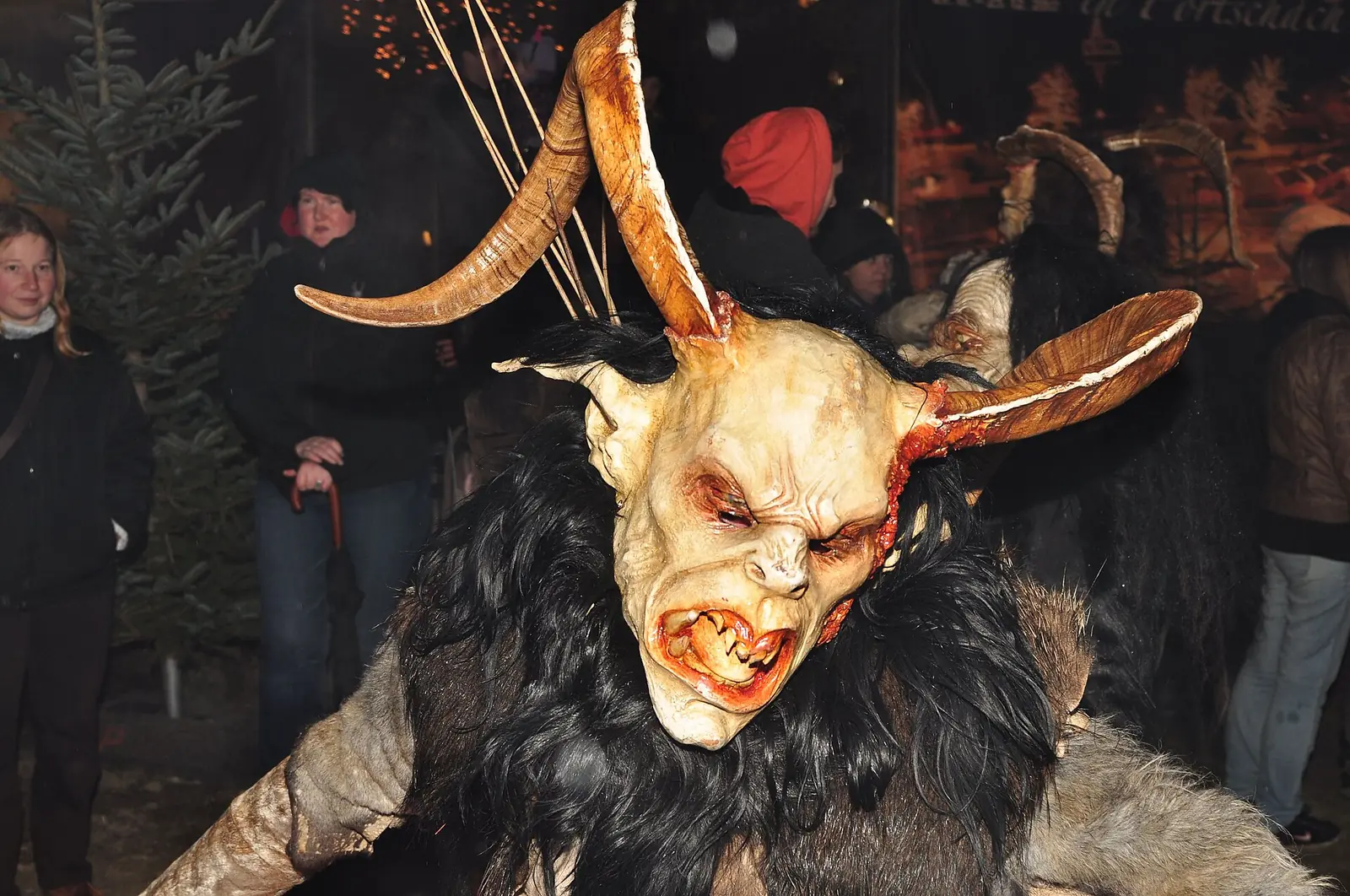
Krampus Nights in Salzburg and Tyrol
Bells, horns and masks in December
Krimml Waterfalls and the Gerlos Alpine Road
Austria's highest waterfall, then the pass
Up the Schafberg by Cogwheel Railway
Austria's steepest railway, above the lakes
Real itineraries through Austria
Questions, Answered
How long does the Raggaschlucht walk take?
About an hour and a half for the full loop of roughly three kilometres. The gorge itself is 800 metres long and climbs more than 200 metres on wooden walkways and steps, and a forest path brings you back down. We allow two hours with photographs and a pause at the top.
Is the Raggaschlucht suitable for kids?
Yes, for children who can climb steps steadily, roughly from school age. There are railings throughout, but the walkways are narrow and can be wet and slippery, so younger children need a hand held. It is not possible with a pushchair, and toddlers are better in a carrier.
How fit do you need to be for the Raggaschlucht?
Reasonably fit. The climb is steady rather than hard, but it is uphill most of the way, with some steep stairs, and the timber is often damp. Anyone who walks regularly will manage it. Grandparents with knee trouble should skip the gorge and meet the family at the top by car.
When is the Raggaschlucht open?
From about mid-May to October, during the day, weather permitting. The gorge closes in bad weather and stays closed in winter for safety. We check the opening on the morning of your visit and keep a second plan ready if heavy rain has closed it.
How far is the Raggaschlucht from the Grossglockner?
Heiligenblut, the Carinthian end of the Grossglockner High Alpine Road, is about 50 kilometres up the Mölltal, roughly an hour's drive. That makes it easy to walk the gorge in the morning and drive the high road in the afternoon, with the Grossglockner in view from the Kaiser-Franz-Josefs-Höhe.