Almabtrieb: When the Cows Come Down
Flower crowns on the mountain road
Want this in your trip?
Leave your details and a travel designer will call within 24 hours to fit this into a journey around your dates.
The Almabtrieb is the day in September when Tyrol's cattle walk down from their summer pastures, crowned with flowers and bells, into village festivals. We take you to one of the best, and to a quieter one too.
All summer the cattle of the Tyrol graze the high Alm pastures with their herders. When a summer passes without an accident, the herd comes down in style: the lead cows wear tall headdresses of flowers, ribbons and small mirrors, and their bells carry across the valley. If an animal was lost, the cows come down plain, and in some villages there is no festival that year. There are two kinds of descent. Most are quiet working days, a farming family walking its herd down a forest road, announced nowhere. Then there are the festival days. In 2026, more than 500 cows came down into Auffach in the Wildschönau on 19 September, and Reith im Alpbachtal held two drives, on 19 and 26 September, with music, a market and long tables of food. We plan around one festival day and one quiet morning. The day before, a private guide takes you up to an Alm hut, so you see where the herd has spent its summer. On the day, we place you at the edge of the village before the first bells arrive, then lunch at the festival. We base you at the STOCK resort in the Zillertal.
The festival day, done calmly
We place you at the village edge where the herd first appears, away from the crowd around the market stalls.
A quiet descent as well
Where a farming family is happy to have us, we watch a small working descent on a forest road, with no audience at all.
The Alm the day before
A guide takes you up to a summer pasture hut for Alm cheese and a farmhouse lunch, so you meet the herd before it leaves.
Best time to goMid-September to early October, when the descents happen; avoid fixing a whole trip to one village's date before it is published, because the weather can move it.
Almabtrieb: When the Cows Come Down, planned from India
The festival days are joyful but busy; the quiet working descent, one family and a few dozen cows on a forest road, is the one our travellers remember.
Getting there from India
Fly to Munich, where Lufthansa flies nonstop from Delhi, Mumbai and Bengaluru; from Munich a private car takes about two hours to the Zillertal, the Alpbach valley or the Wildschönau. SWISS flies nonstop from Delhi and Mumbai to Zurich, a longer but scenic way in. Vienna has no nonstop flight from India this winter.
Where we'd stay
The STOCK resort in Finkenberg, a five-star spa hotel in the Zillertal with more than 5,000 square metres of spa, or Der Böglerhof in the centre of Alpbach, the village's leading hotel, with its own spa. Both are within easy reach of the September festivals.
How the dates are set
Each village fixes its own Almabtrieb date, and the cows only come down crowned after a summer without accidents. Dates can change at short notice for weather. We keep a flexible day in your plan and confirm the evening before.
Vegetarian & Jain food
Festival food is cheese-heavy, which helps vegetarians: Kasspatzln (cheese spätzle), Kaspressknödel and Kaiserschmarrn are on almost every menu. Jain meals are harder, because fried onion goes on top of many dishes. We brief your hotel and restaurants in writing, and ask the hotel to pack food for the festival day.
Experiences you might also like
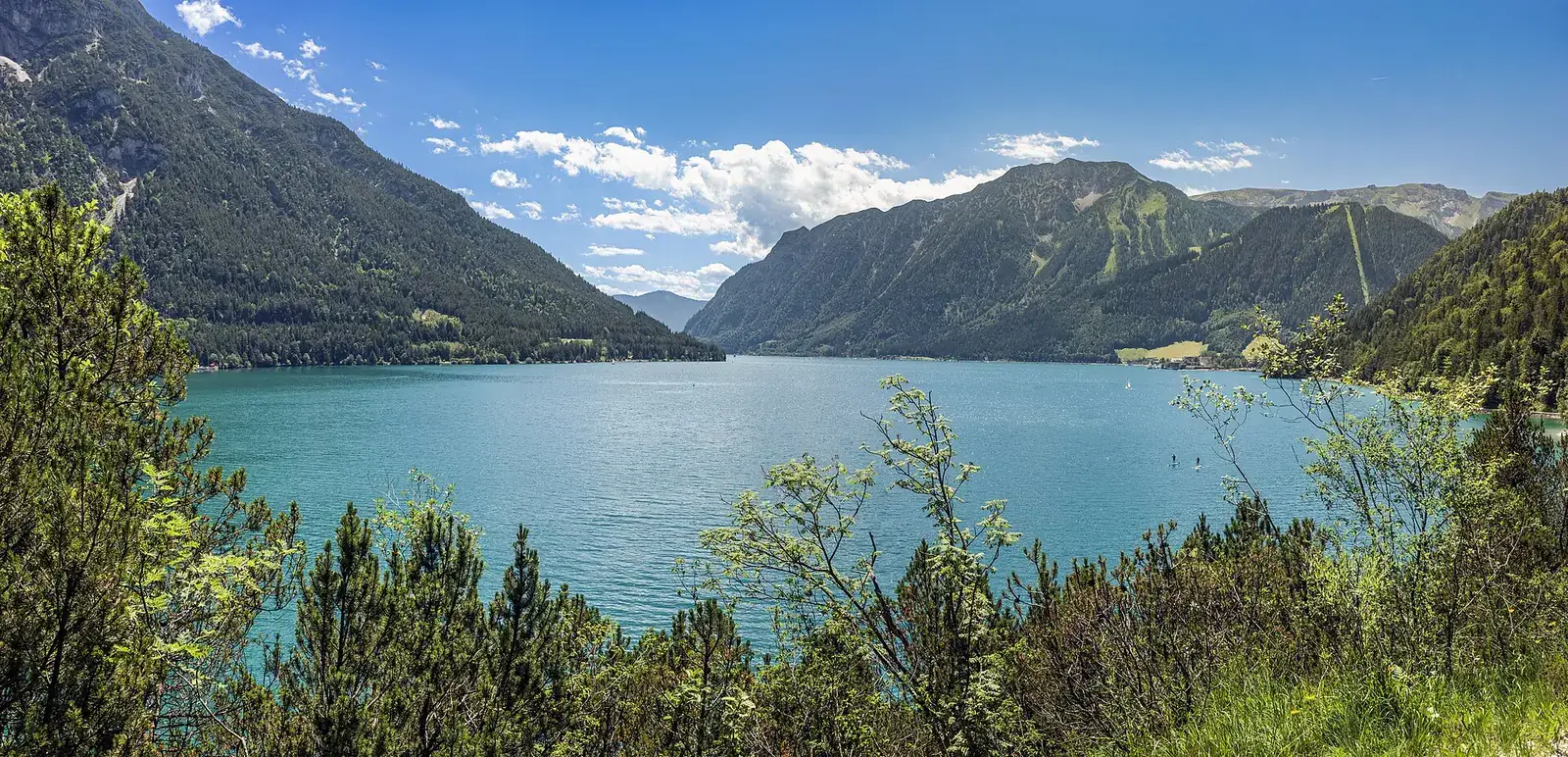
Achensee by Steam, Boat and Cable Car
Tyrol's largest lake, done slowly
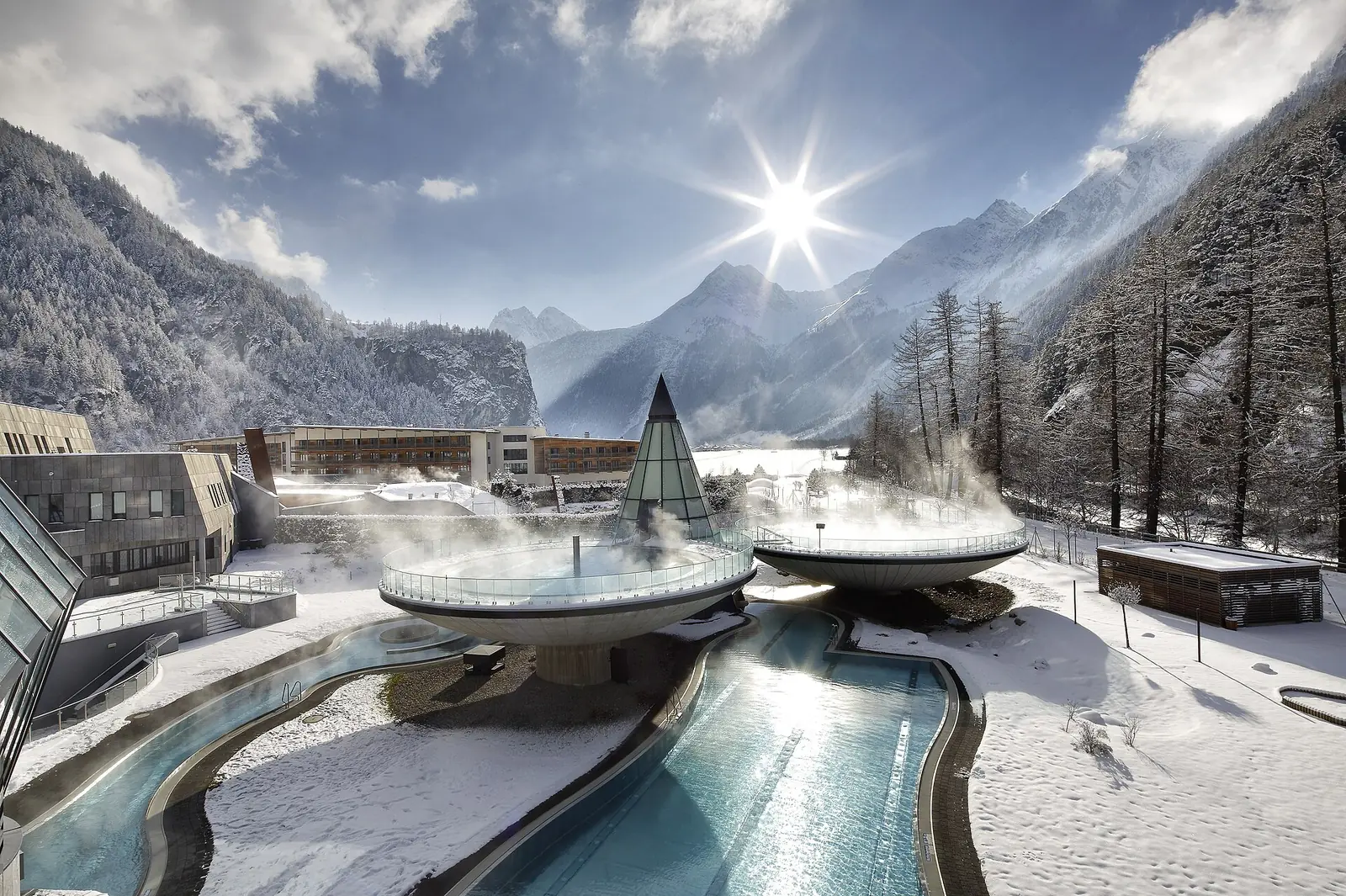
Floating Thermal Pools at AQUA DOME, Ötztal
Warm water, snow peaks all round
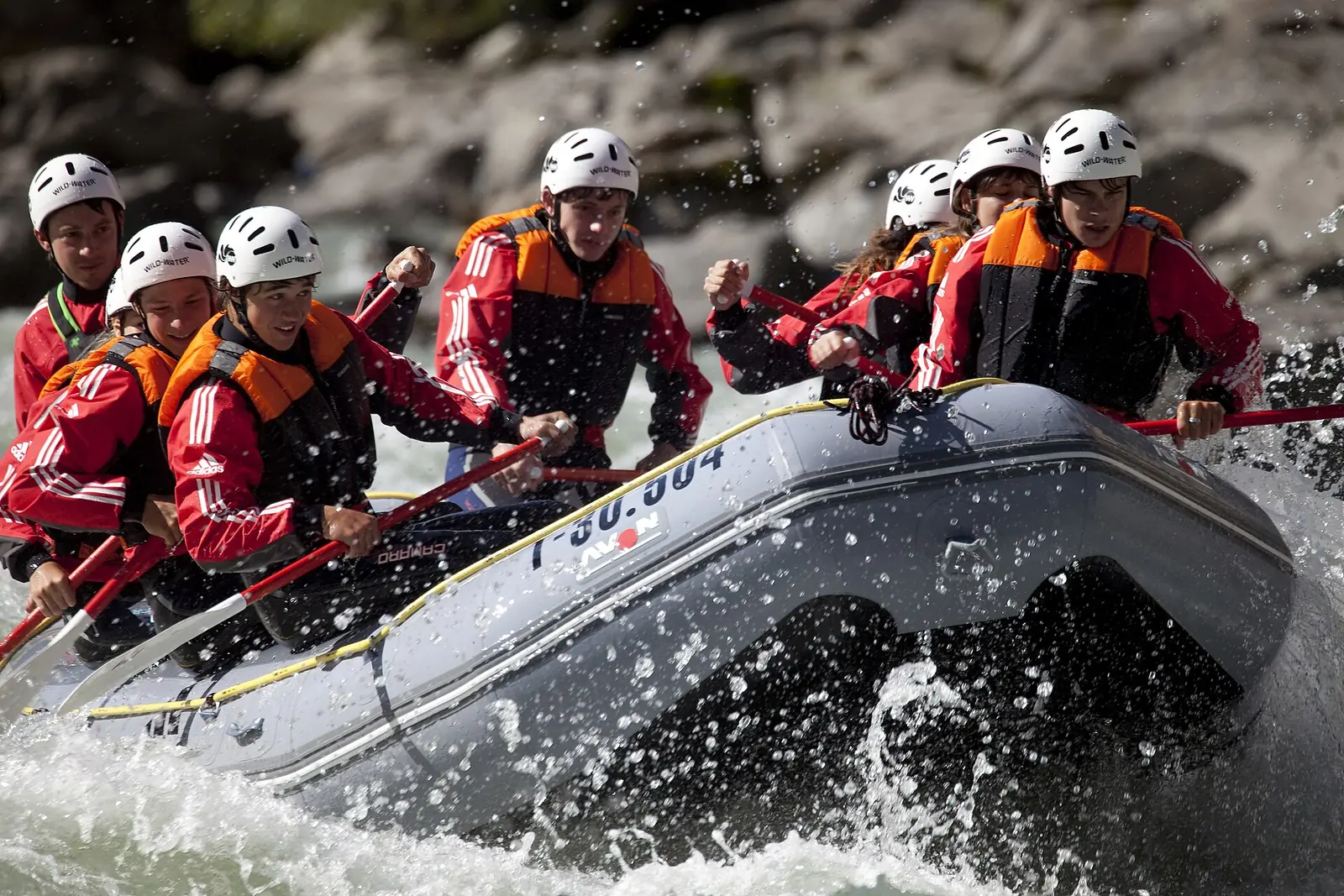
Rafting and Canyoning at AREA 47
Tyrol's outdoor playground for teenagers
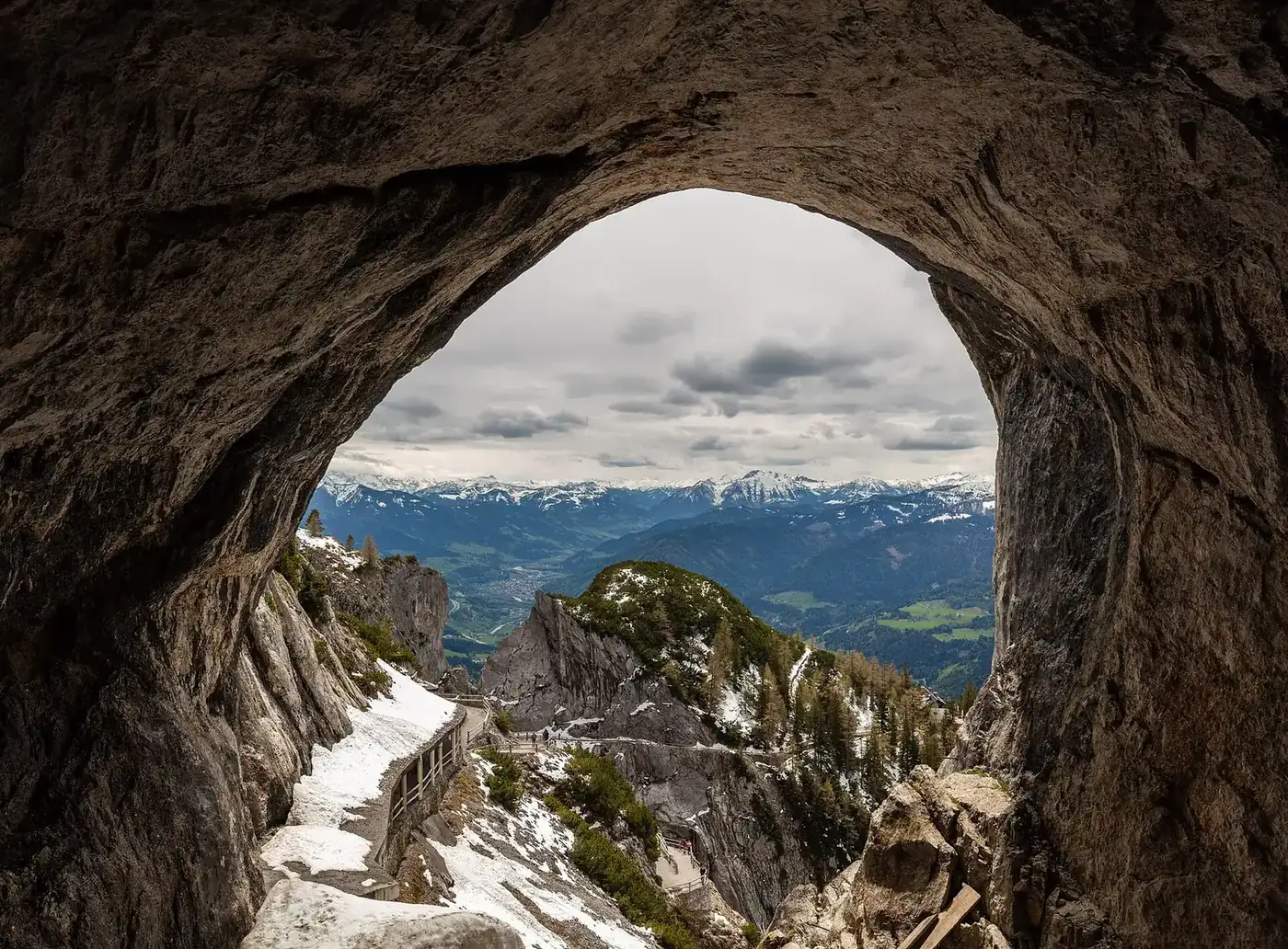
Eisriesenwelt, the World's Largest Ice Cave
A frozen cathedral by lamplight
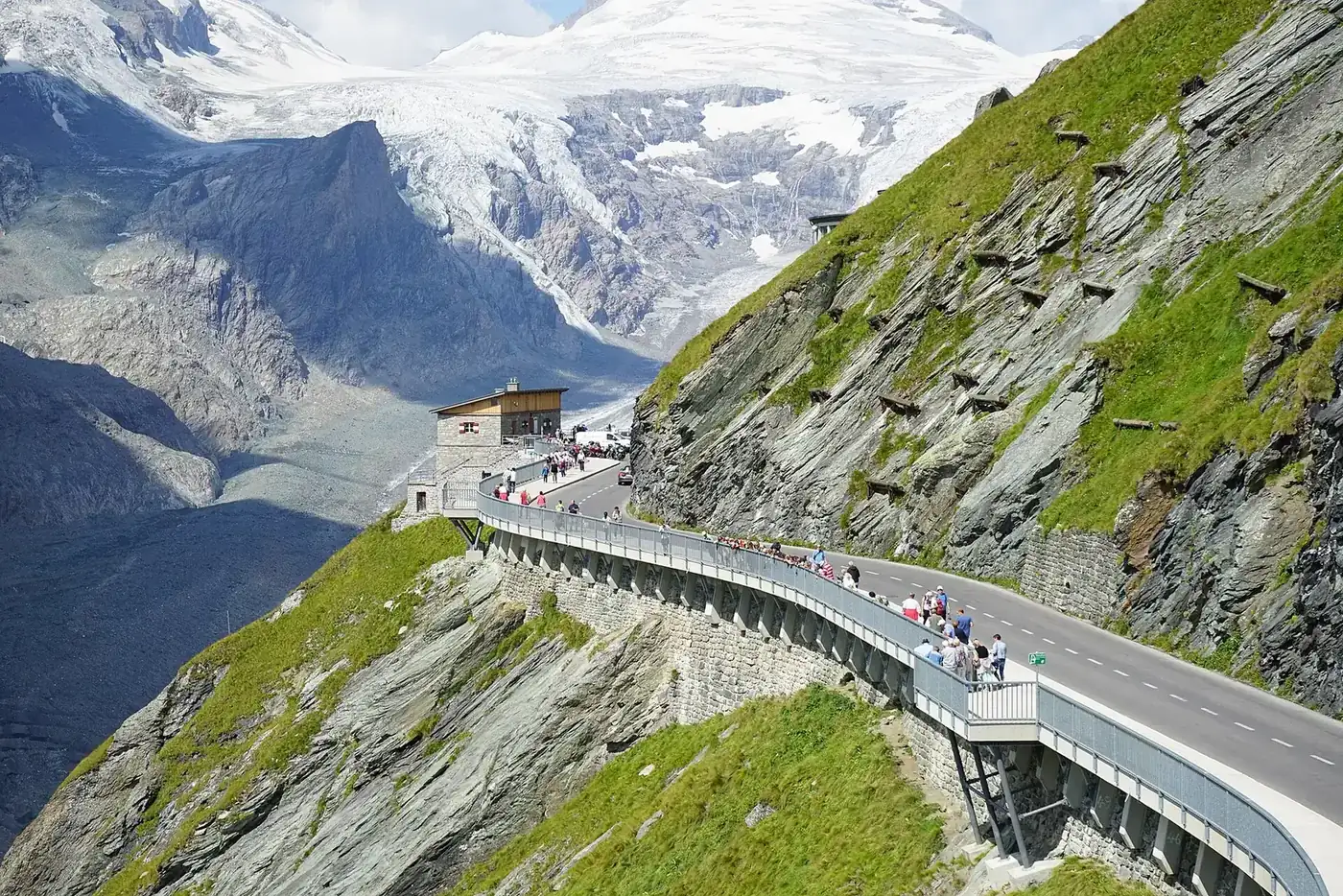
The Grossglockner High Alpine Road, Privately
Thirty-six bends to the glacier
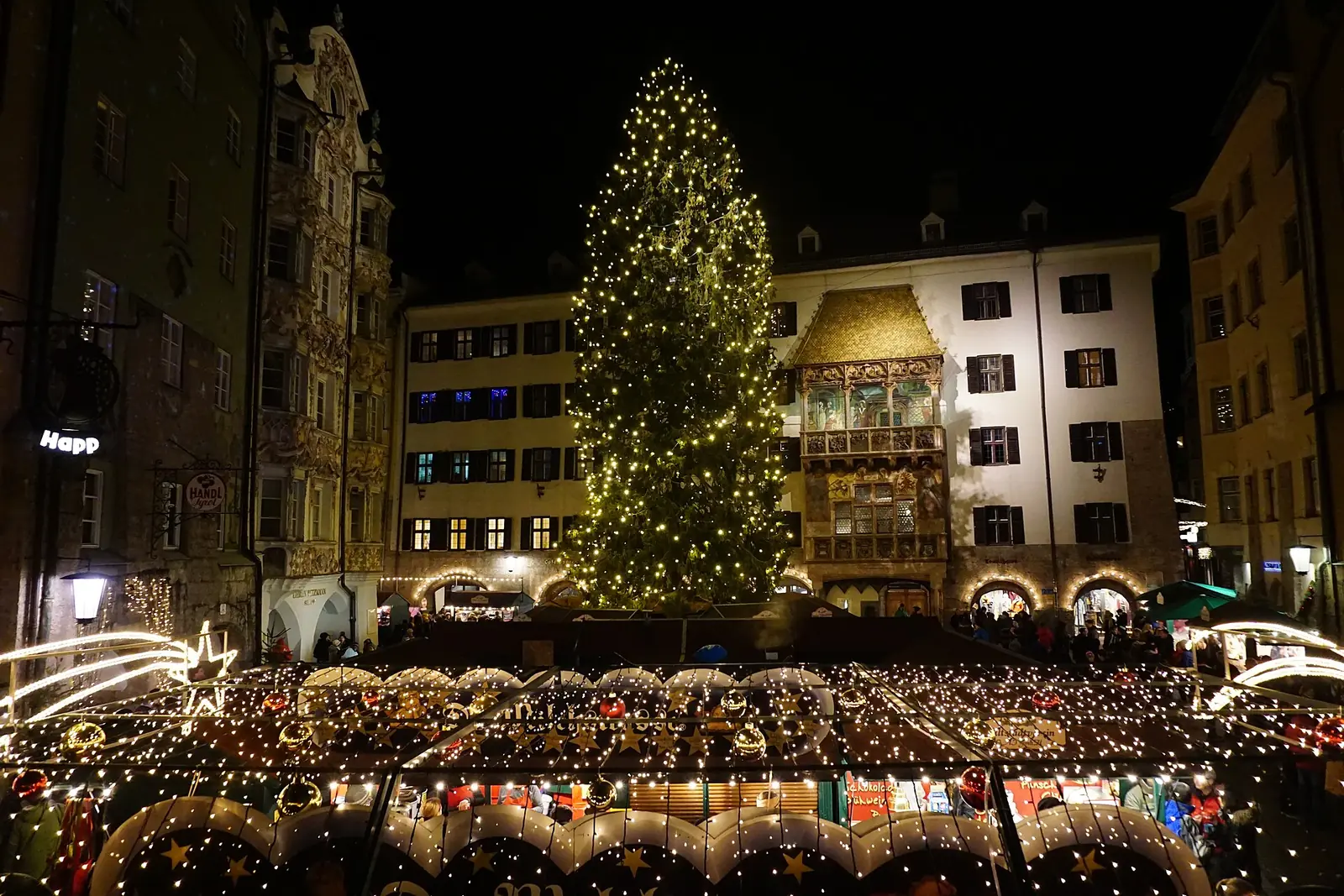
Innsbruck's Christmas Markets Under the Mountains
Advent beneath the Nordkette
Real itineraries through Austria
Questions, Answered
When is the Almabtrieb in Austria?
From mid-September to early October. Each village sets its own date, usually a Saturday, and weather can move it. In 2026 the Wildschönau and Reith im Alpbachtal came down on 19 September, Reith and Gerlos on 26 September, and Ebbs held its Haflinger horse drive on 10 October. We confirm dates once the villages publish them.
Is the Almabtrieb worth it with kids?
Yes. Children love the bells and the flower crowns, and the festivals have music, food stalls and room to run about. Keep them well back from the herd: these are big animals walking on tarmac, and they can be nervous in a crowd. We choose a spot with space to stand away from the road.
Which village is best for the Almabtrieb in Tyrol?
For a big festival, the Wildschönau, where more than 500 cows came into Auffach in 2026, or Reith im Alpbachtal, which holds two drives. In the Zillertal, Fügen-Kaltenbach and Gerlos both hold festival days. We choose by your dates and where you are staying, and add a quiet working descent nearby.
Why are the cows decorated for the Almabtrieb?
The headdresses are a thank-you for a summer with no accident on the high pastures. They are made by hand from flowers, ribbons and small mirrors, and the lead cows wear the largest. If an animal was lost or injured, the herd comes down without the crowns, and some villages hold no festival that year.
How long do you need for the Almabtrieb?
Two days in the valley is enough: one to go up to a summer pasture hut and meet the herd, one for the descent and the festival. We pair it with Innsbruck and a few nights at a spa hotel in the Zillertal or Alpbach, as September is also a fine month for mountain walks.